
"Ethiopian green beans"
1000 article(s) found

What are the beans and varieties of Ethiopian Manor? How is the flavor and taste?
Professional coffee knowledge exchange more coffee bean information please follow the coffee workshop (Wechat official account cafe_style) Ethiopia is the hometown of Arabica coffee, it is in the forests of the Kaffa region that you can see wild Arabica coffee. In Ethiopian, coffee is called Bun or Buna, and coffee beans (coffeebean) may be from Ka

Ethiopian coffee varieties introduction Coffee growing area Manor Eastern Highlands Mountains
Harar Coffee is produced in the eastern highlands of Ethiopia. It is medium bean-shaped and large

Introduction of individual Coffee with characteristic Flavor and Taste in Ethiopian Coffee Manor
In the field of boutique coffee, there are also five other small places of coffee, namely Lim, Gemma, Le Campdi, Becca and Limmu, Djimmah, Lekempti, Bebeka and Wolega. The most common is Essesidamo or Harald coffee (Either Sidamo or Harrar coffee). Harald Coffee (HarrarCoffee) is made in Essex.

Ethiopian coffee raw beans introduce cup size in coffee shop
The highest grades of Ethiopian washed coffee Yega Chuefei G1 G2 Sidamo (Yirgacheffe, Sidamo) are Grade 2 and Grade 3 (G2, G3), while most of the sun-processed coffee in eastern Ethiopia are Grade 4 or Grade 5 (G4, G5). In many cases, level 4 coffee is marked as level 5 in order to reduce taxes. At present, the grading is not uniform and messy, because there is also sun processing.

Soft acidity Ethiopian coffee flavor Taste Manor Features
Ethiopia's coffee producing areas are Sidamo, Harrar and Yirgacheffe. Sidamo and Harrar are provinces and divisions. Sidamo is located in the south of Ethiopia and adjacent to Kenya. Harrar borders Somalia in the east of Ethiopia. Although Yirgacheffe is a small area in Sidamo region, due to soil composition and water content, etc.

Introduction to Ethiopian Coffee Culture and Flavor of Fine Coffee beans
The southern western highlands of Ethiopia (border of Shewa and Sidmo provinces) east of Jima, north of Sidamo, 3600-6200 feet above sea level are preferred by most Europeans and Americans, most of them are washed with water, their annual output is about 110000bags/60kg, most of the beans are round (15/16scr), the color is green and bluish, the export is mostly G2, the taste is similar to Yegashev, but the viscosity is thin, but
Ethiopian coffee grade washed coffee Yega Xuefei
The highest grades of Ethiopian washed coffee Yega Chuefei G1 G2 Sidamo (Yirgacheffe, Sidamo) are Grade 2 and Grade 3 (G2, G3), while most of the sun-processed coffee in eastern Ethiopia are Grade 4 or Grade 5 (G4, G5). In many cases, level 4 coffee is marked as level 5 in order to reduce taxes. At present, the grading is not uniform and messy, because there is also sun processing.

A brief introduction to the main producing areas of delicious Ethiopian coffee
Hara (Harar) / Solar or dried (Sundried/Dry-Processed) Hara is located in the Eastern Highlands of Ethiopia (Harerge Province) and grows between 5000 and 7000 feet above sea level. It was still wild on slopes a century ago. Most of the raw beans are medium size and have long tips at both ends, with a yellowish or golden green color and strong chocolate when baking.

Sidamo Coffee Taste Ethiopian Sidamo Sidamo Candle Light
Sidamo grows in the southernmost Ethiopian plateau between 4,600 - 7,200 feet above sea level (Sidamo province). It is a famous boutique coffee area in southern Ethiopia, bordering Kenya, southeast of Gemma, due south of the capital. It is usually sweeter and more popular than most people. Its annual production is about 225000 bags/60kg. The beans are smaller than Longberry, green and gray.

Sidamo coffee tastes Ethiopian Sidamosi Dama candlelight
Sidamo grows in the southernmost Ethiopian plateau between 4600 and 7200 feet above sea level (Sidamo province). It is a famous boutique coffee area in southern Ethiopia, bordering Kenya, southeast of Gemma and just south of the capital. It is usually sweet and favored by most people. Its annual output is about 225000 bags / 60kg. The bean body is smaller than Longberry, with gray in the green.
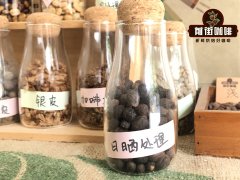
Ethiopia Yegashifi Erica Coffee beans juicy Sun how to make Erica Coffee
Professional coffee knowledge exchange more coffee bean information please follow the coffee workshop (Wechat official account cafe_style) Erica this coffee bean is familiar to Essex fans. The score of Erica's beans has reached an astonishingly high score of 95 on the international cup testing website Coffee Review, which shows the high quality. From the appearance, consistency and freshness of raw beans to the appearance of coffee

How much is a kilo of coffee beans? how to buy coffee beans? Ethiopian native species sun-dried coffee raw bean price
Coffee seeds cannot be grown directly with coffee fruits picked from coffee trees. Peeling coffee fruits is like planting peanuts. If you plant a peanut with a shell in the soil, it cannot sprout. You must plant peanuts. It is the same with medium coffee. If you have coffee fruit in your hand, you can first bask it in the sun and shake it until it is shaken inside.

Ethiopian coffee beans G1 and G2 are just different in the number of defective beans?
Ethiopian coffee beans G1 and G2 are just different in the number of defective beans. After picking beans without special screening and treatment, uneven appearance and maturity are mixed together, the process is relatively rough, so the quality of coffee beans is unstable and prone to defective beans. two。 Coffee farmers usually find an open space near their home to deal with it, so there are often a lot of miscellaneous things on the ground.

The difference of Grade Flavor and taste between Panamanian Red Standard Rose Summer Coffee Bean and Ethiopian Rossia Village Red Standard Coffee
Professional coffee knowledge exchange more coffee bean information please follow the coffee workshop (Wechat official account cafe_style) Rose Summer, not only exist in Panama Emerald Manor, Costa Rican Goddess Manor and so on. Today, let's talk about the Xingui Rose Summer Village Manor, which has been in the limelight for the past year or two.

Introduction of Ethiopian Yejasuefei Coffee area with balanced Flavor
The coffee producing areas of Ethiopia are Hidamo, Harald and Sidamo, Harrar and Yirgacheffe. Sidamo and Harrar are provinces and divisions. Sidamo is located in the south of Ethiopia bordering Kenya, and Harrar borders Somalia in the east of Ethiopia. Although Yirgacheffe is a community in the Sidamo region, due to soil composition and water content and other reasons.

Guixia Village Manor Gold Label Red Label Green Label Difference Ethiopian Coffee Bean Variety Classification System Introduction
Most of the coffee trees in the farm are planted in the mountains above 5200 feet. The climate is cool and pleasant. The coffee produced by the farm has a strong sweet flavor. It has the characteristics that distinguish it from other farms. It is also a rare high-quality coffee.

Introduction to the Origin of Ethiopian Coffee
Growing in the western highlands of southern Ethiopia (the border of Shewa and Sidmo provinces), east of Jima, north of Sidamo, most Europeans and Americans prefer 3600-6200 feet above sea level, most of them are washed with water, their annual output is about 110000bags/60kg, most of the beans are round (15/16scr), the color is green and bluish, the export is mostly G2 grade, the taste is similar to Yegashev, but the viscosity is simple.

Introduction to the flavor and taste characteristics of Ethiopian coffee manor with rich alcohol thickness
Although the Ethiopian Yirgacheffe coffee is petite, it is gentle and delicate and sweet. As the hometown of coffee, thousands of years of planting history and processing tradition in Ethiopia have created high-quality washed Arabica beans. Light baking has unique sweet aromas of lemon, flowers and honey, soft acidity and citrus flavors, fresh and bright on the palate. No.
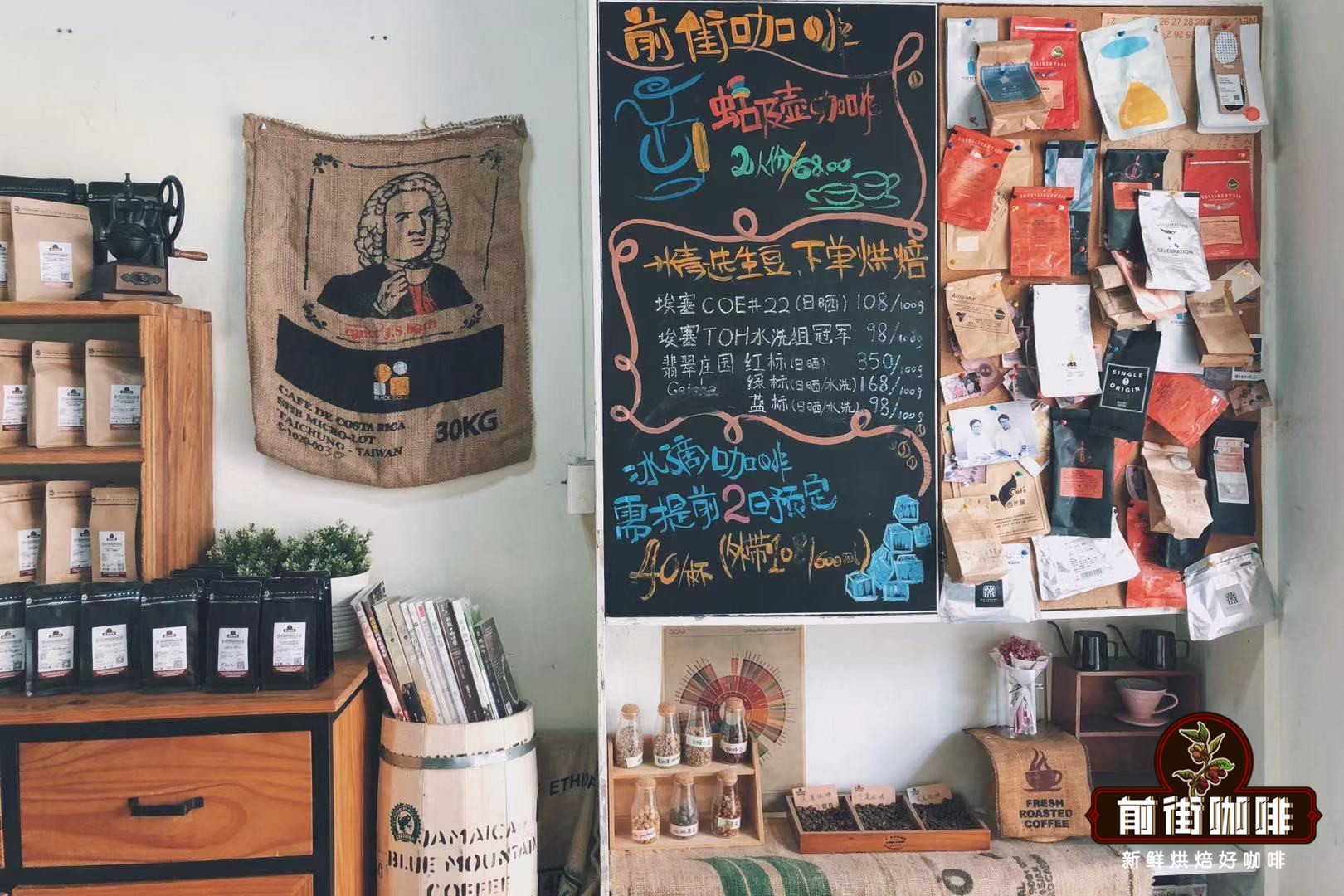
Ethiopian Rose Summer Coffee beans what's the difference between Ethiopia Rose Summer and Panama Rose Summer
Professional Coffee knowledge Exchange more coffee bean information Please follow Coffee Workshop (Wechat official account cafe_style) Geisha, a wild coffee variety originally grown in southwestern Ethiopia, was brought to the coffee estate in Bok District of Panama in 1963. Due to poor yield and high tree species, geisha was planted next to the coffee farm as a windbreak. In 2004, it was to change the geisha.

Ethiopian coffee beans | Ethiopian coffee producing areas | Yega de Meso red wine washing
Professional coffee knowledge exchange more coffee bean information please follow the coffee workshop (Wechat official account cafe_style) Ethiopian coffee beans Yega Sheffield de Meso Q1 red wine washed varieties: native flavor taste: passion fruit, litchi, white tea, white musk WAYNE GREEN BEAN the first wave of ultra-low-key, intergenerational exclusive treatment! I know that all of you have been